
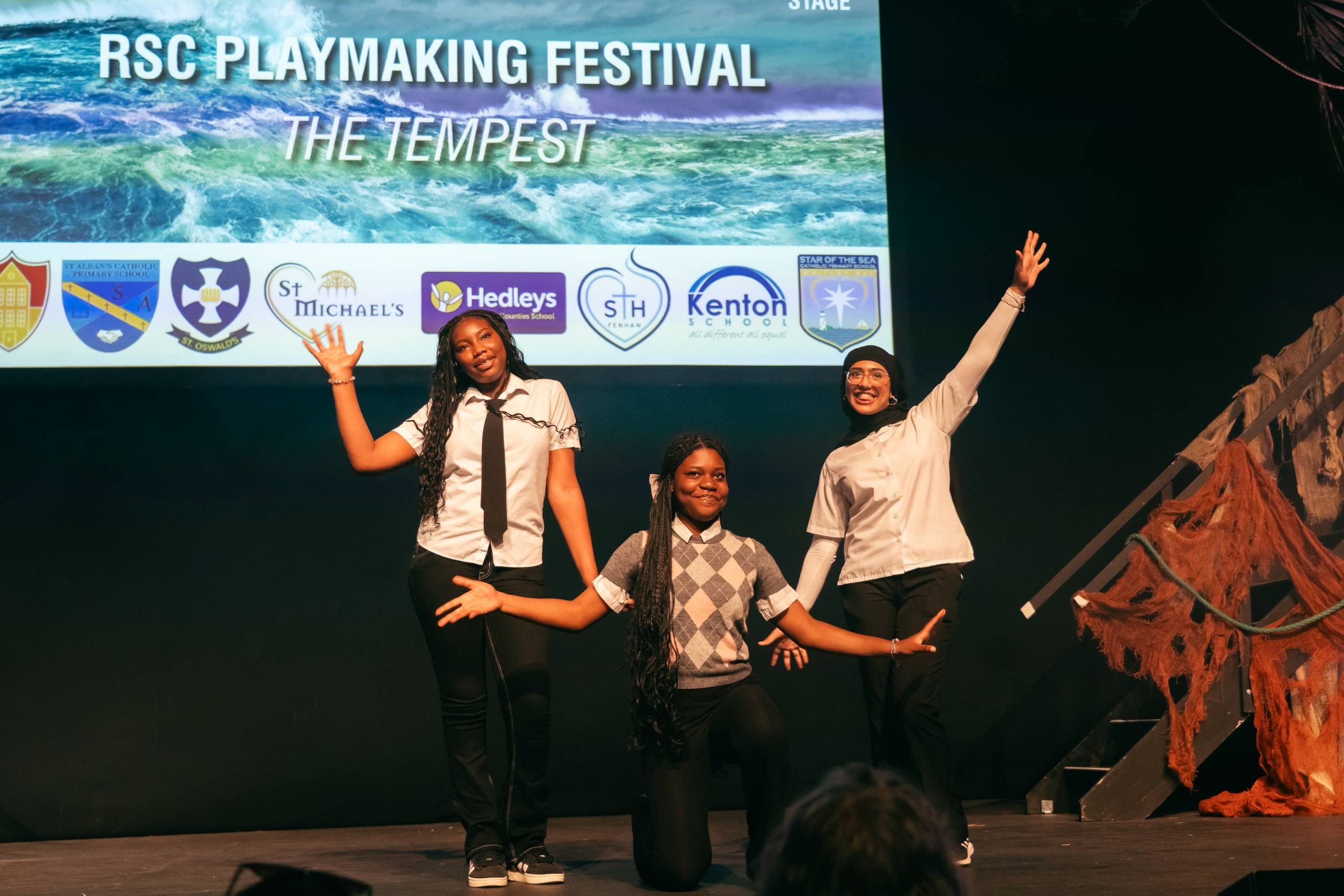
Every July, our main stage belongs to a new generation of performers as young people from schools across the region come together to make Shakespeare their own. Dressing rooms and corridors buzz with excitement, costumes are pulled on, final lines are practised and, out front, an audience of families, friends and teachers waits to see a production that has been almost a year in the making.
It’s showtime at our annual RSC Playmaking Festival, but the performance is only the final chapter of a much bigger story…
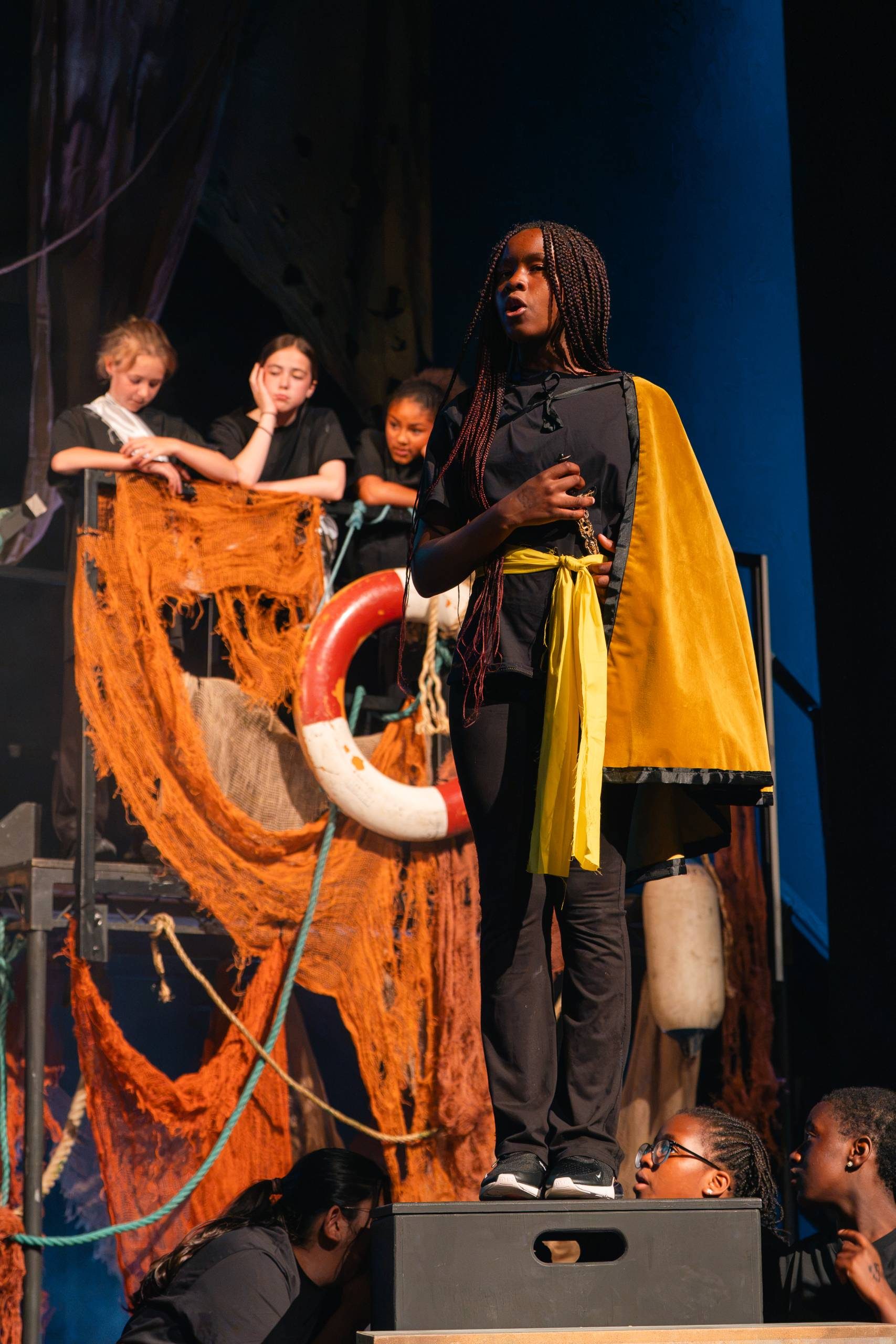
The festival is part of the Royal Shakespeare Company’s Associate Schools Programme, a year-round partnership between the RSC, Northern Stage and lead associate school Sacred Heart RC High School. We work with a cluster of around ten schools across the region, with teachers taking part whether or not their school performs in that year’s festival. Its ambition is to change the way young people experience Shakespeare and live theatre, making both more accessible, relevant and enjoyable.
Each autumn, the journey begins with a Shakespeare play and this year we chose The Tempest. Teachers take part in three professional development days across the year, working with Northern Stage and RSC practitioners to explore the text through rehearsal-room techniques. It’s about building teachers’ confidence with Shakespeare’s language and giving them practical ways to explore characters, themes and stories with their students.
From there, the play is divided between participating schools, with each taking responsibility for a different section of the story. “How they approach it is up to them,” explains Stephanie Maughan, Project Coordinator at Northern Stage. “Some might involve an entire class, while others rehearse as an after-school group. Some schools block out a couple of weeks to rehearse, while others might spend half an hour a week on it for 20 weeks.”
Zoe Murtagh, our participation producer, acts as a director mentor, supporting the teachers who become directors of their individual sections. She visits each school two or three times during the process, helping with everything from staging and Shakespeare’s text to practical requirements, before taking on the slightly daunting task of bringing those independently rehearsed sections together as one production.
While rehearsals are happening in schools, an equally significant operation is underway at Northern Stage.
“Our technical and production teams are involved in creating the set, lighting, sound and video because it’s really important to us that this feels like a professional Stage 1 production,” says Stephanie. “We’re not giving the young people a scaled-back version of theatre.”
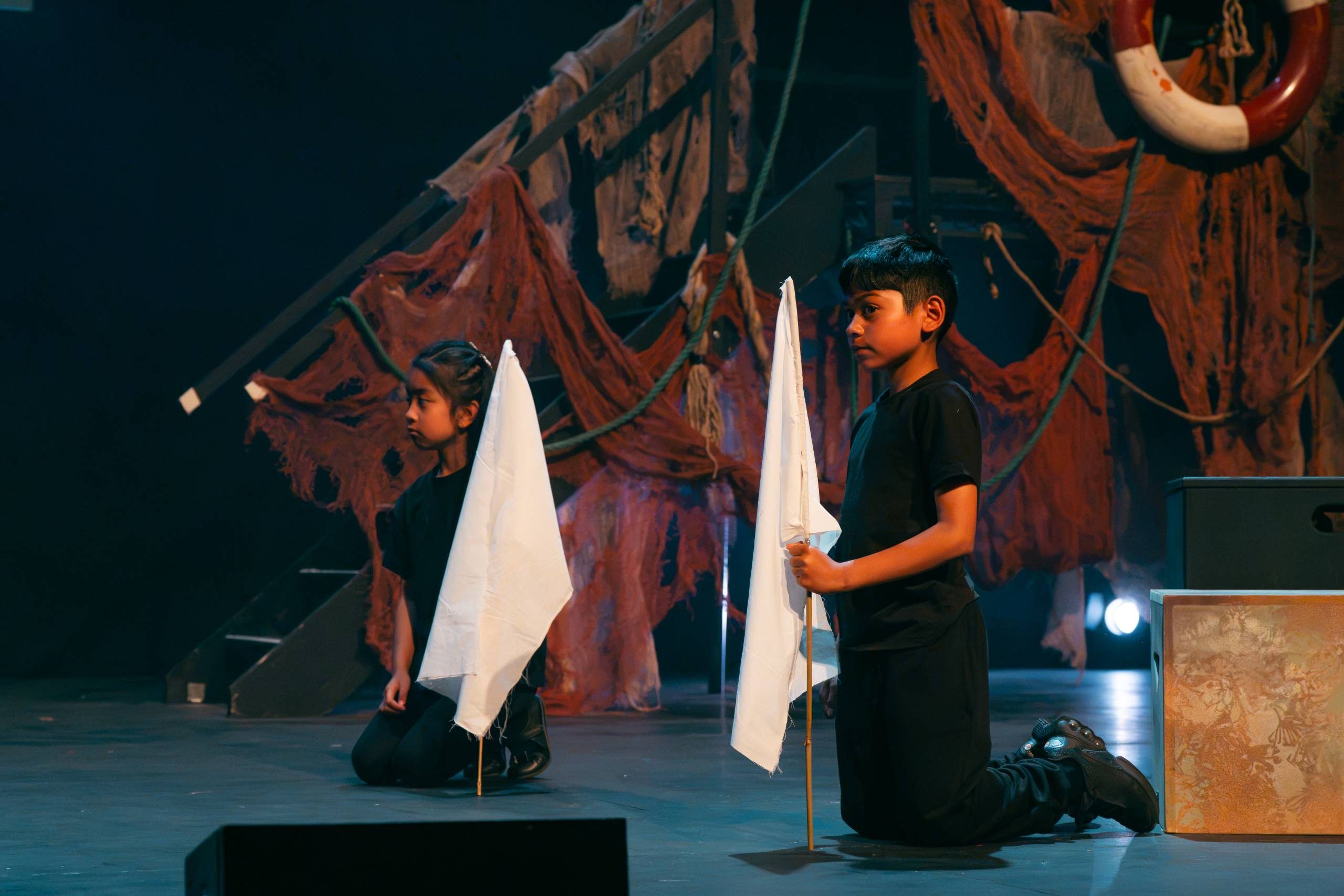
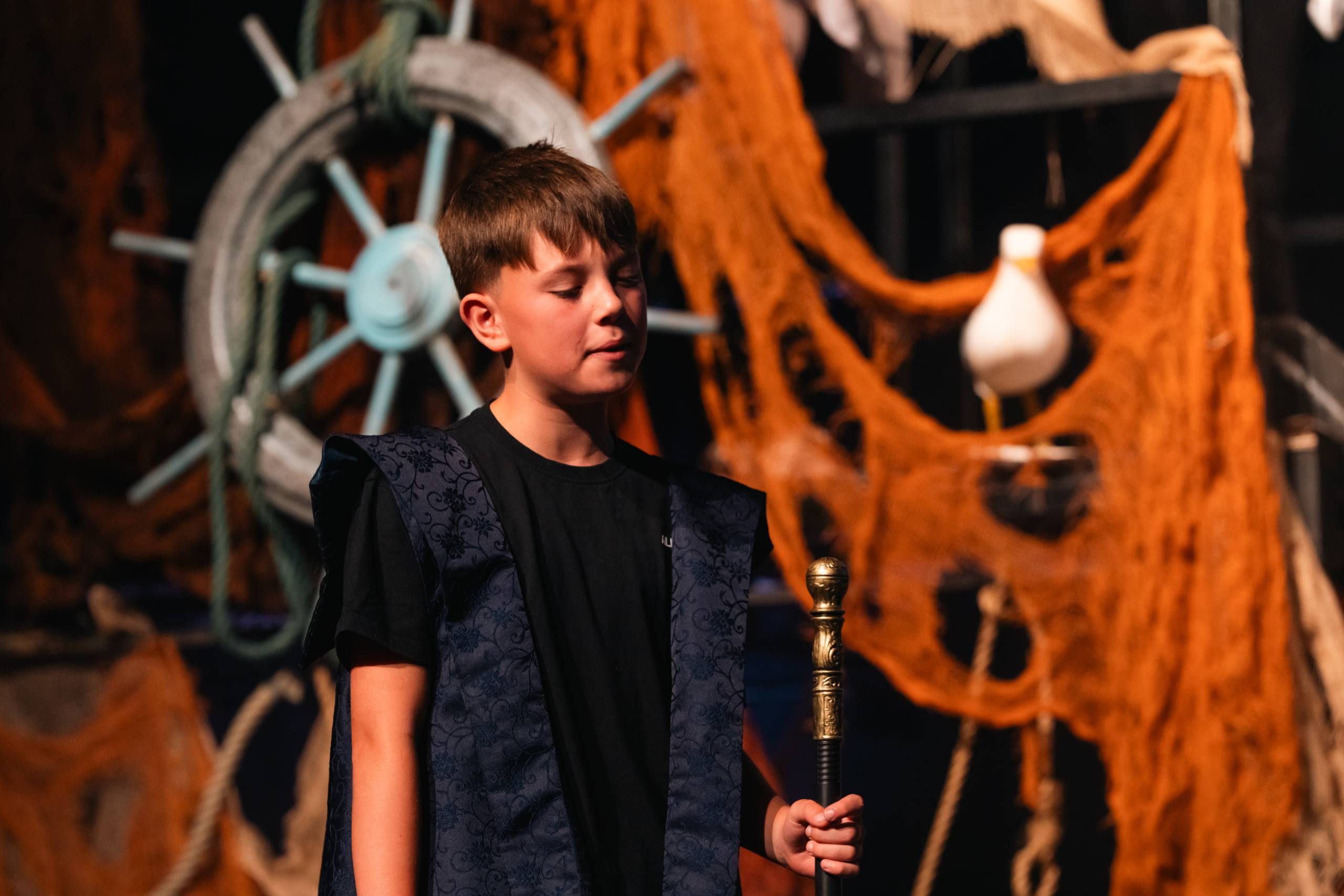
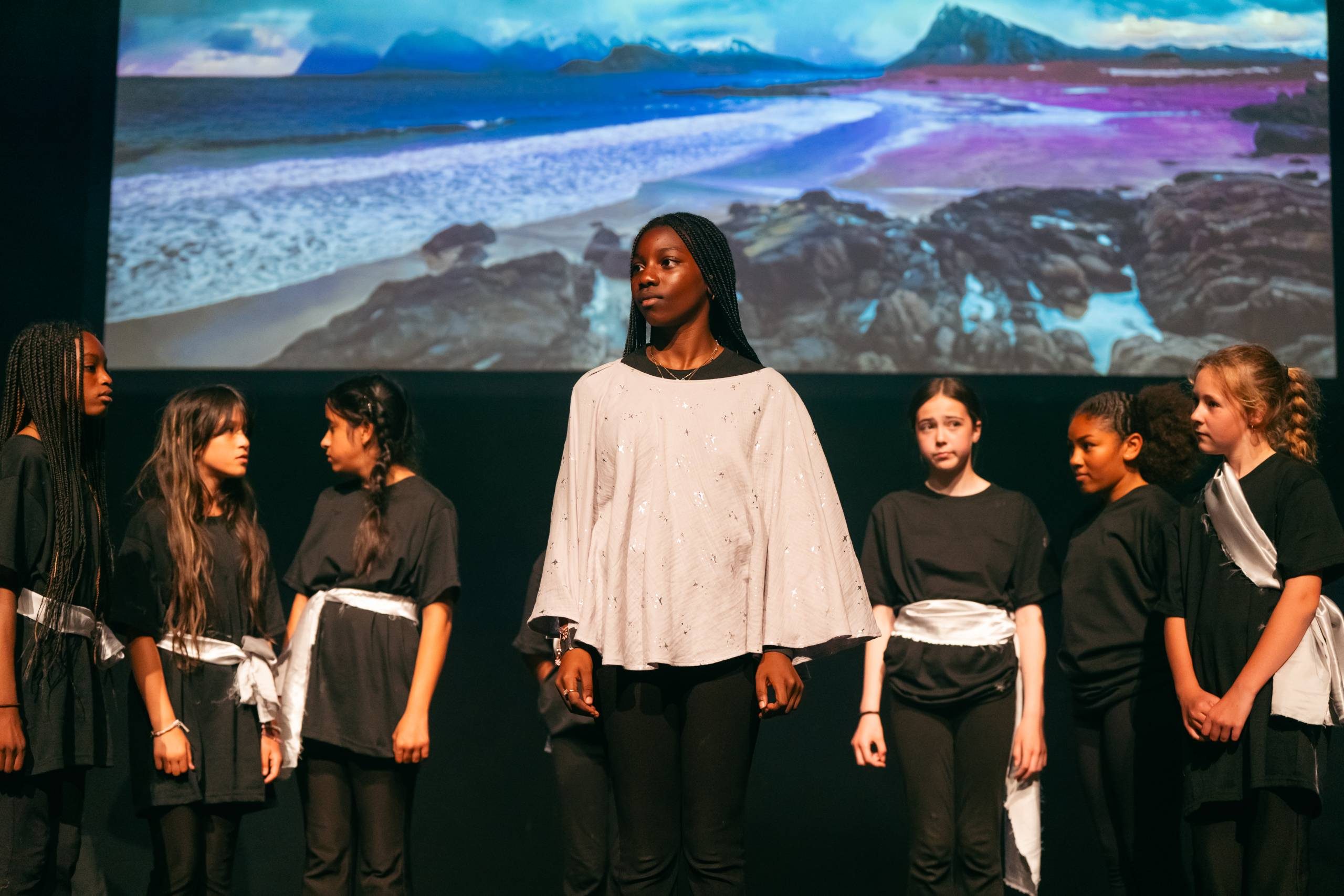
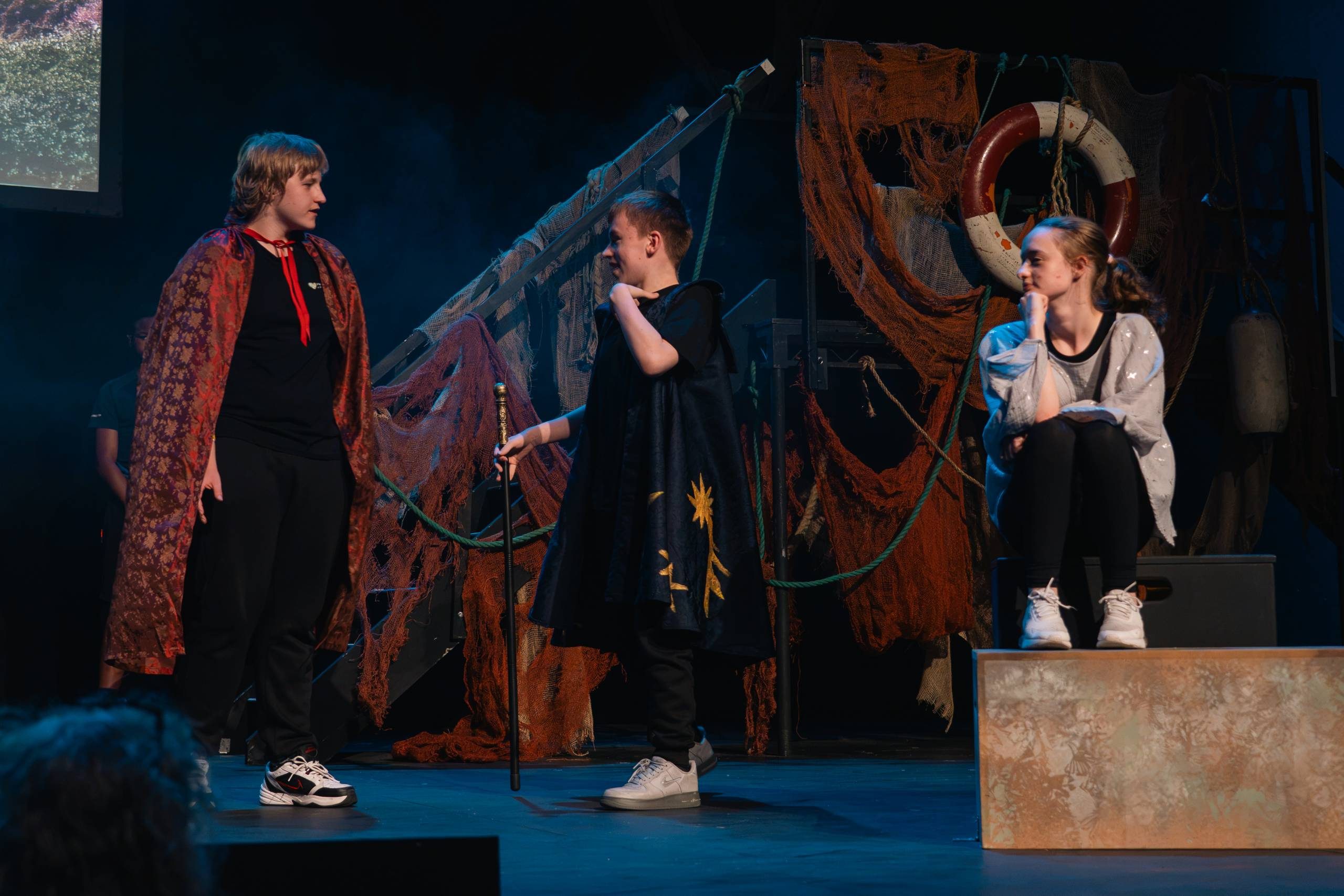
For The Tempest, that included raised platforms and scenic dressing, AV and video design and an original score created by a professional sound designer. The team imagined Prospero’s island as a rugged, Scottish-inspired landscape, creating a world that could bring together the very different interpretations being developed by each school.
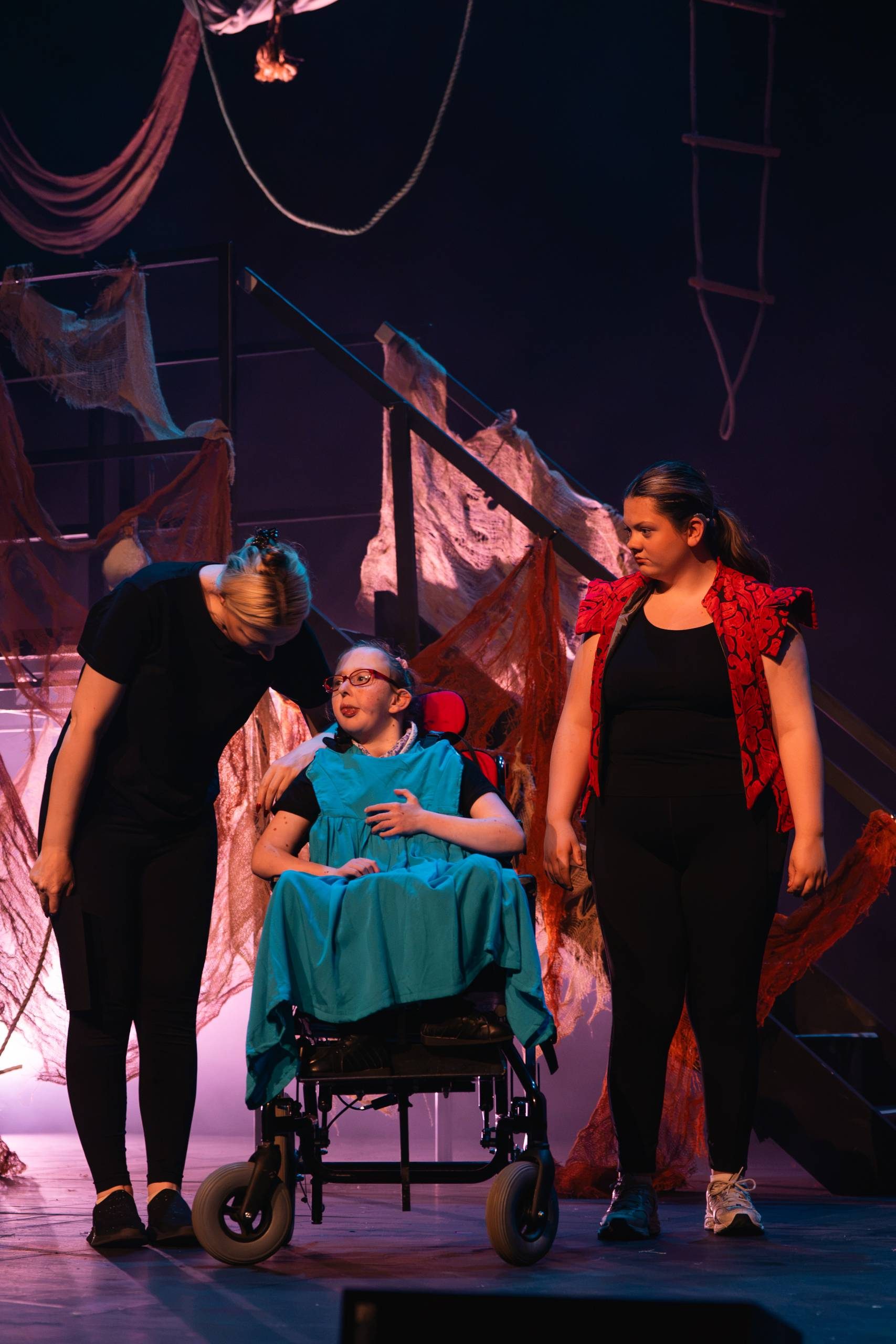
This year also brought a new challenge and an opportunity to think differently about how the production was made as Northern Counties School, a SEND school, joined the festival for the first time.
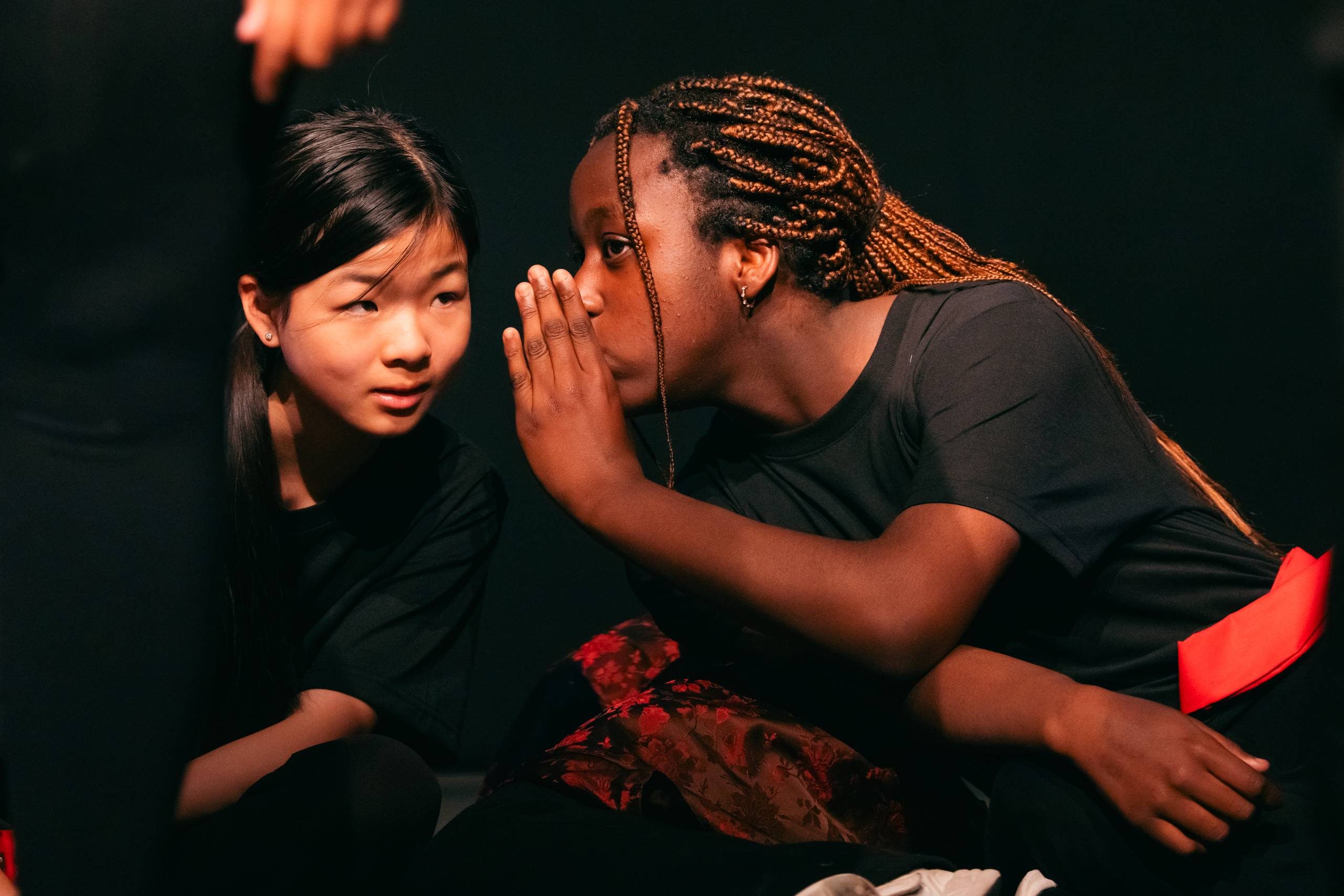
“We’re really conscious of accessibility in our spaces anyway, but it’s something we’re always keen to learn more about and evolve” explains Zoe. “We worked closely with teachers to translate parts of the text into sign language and thought about movement around the stage for wheelchair users and for lots of different learners with different needs.”
The Tempest proved particularly suited to that approach. Fabric could create the waves of the storm, sign language could communicate emotion and costume could help convey the magic of the story, giving young people different ways to tell it beyond the spoken text.

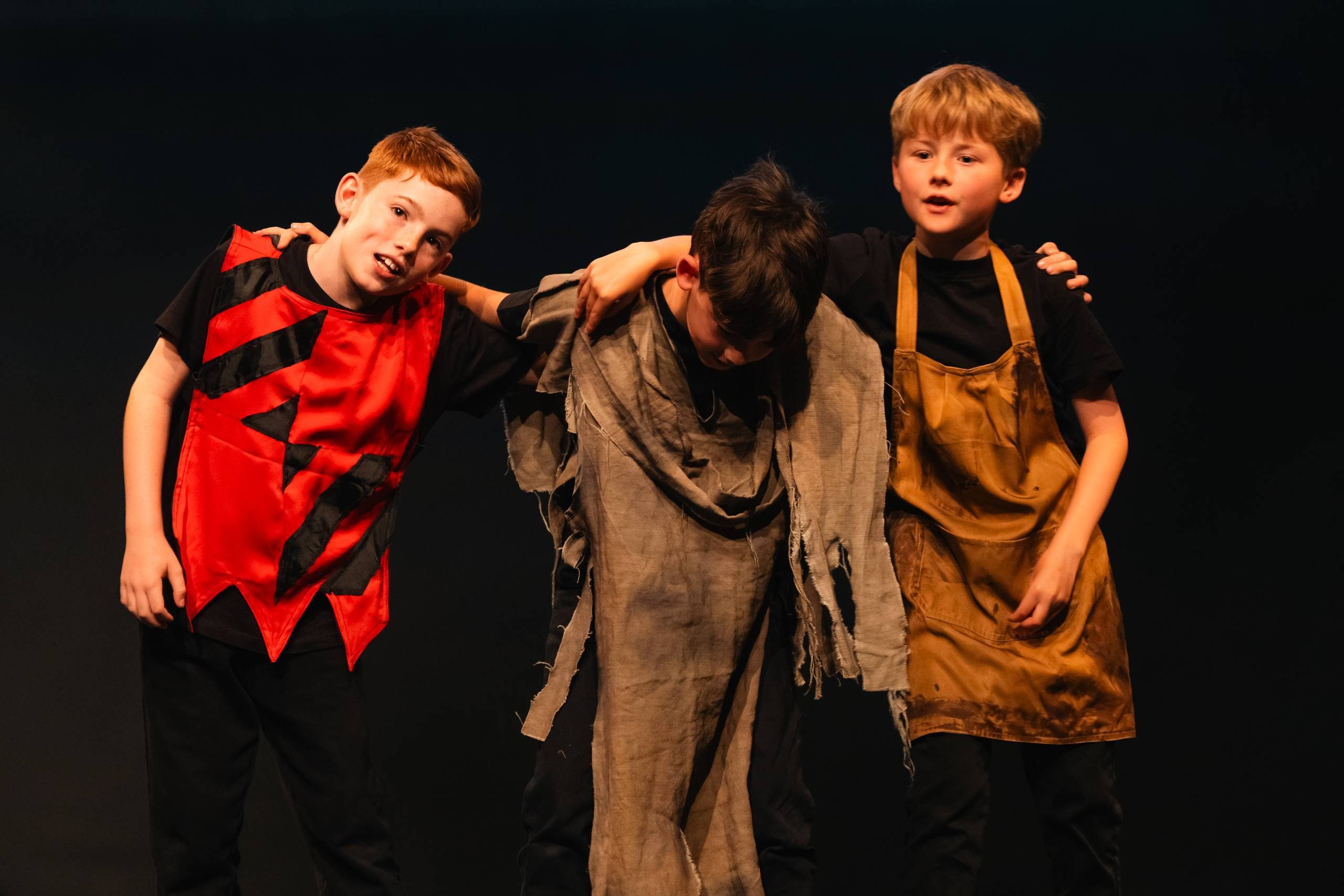
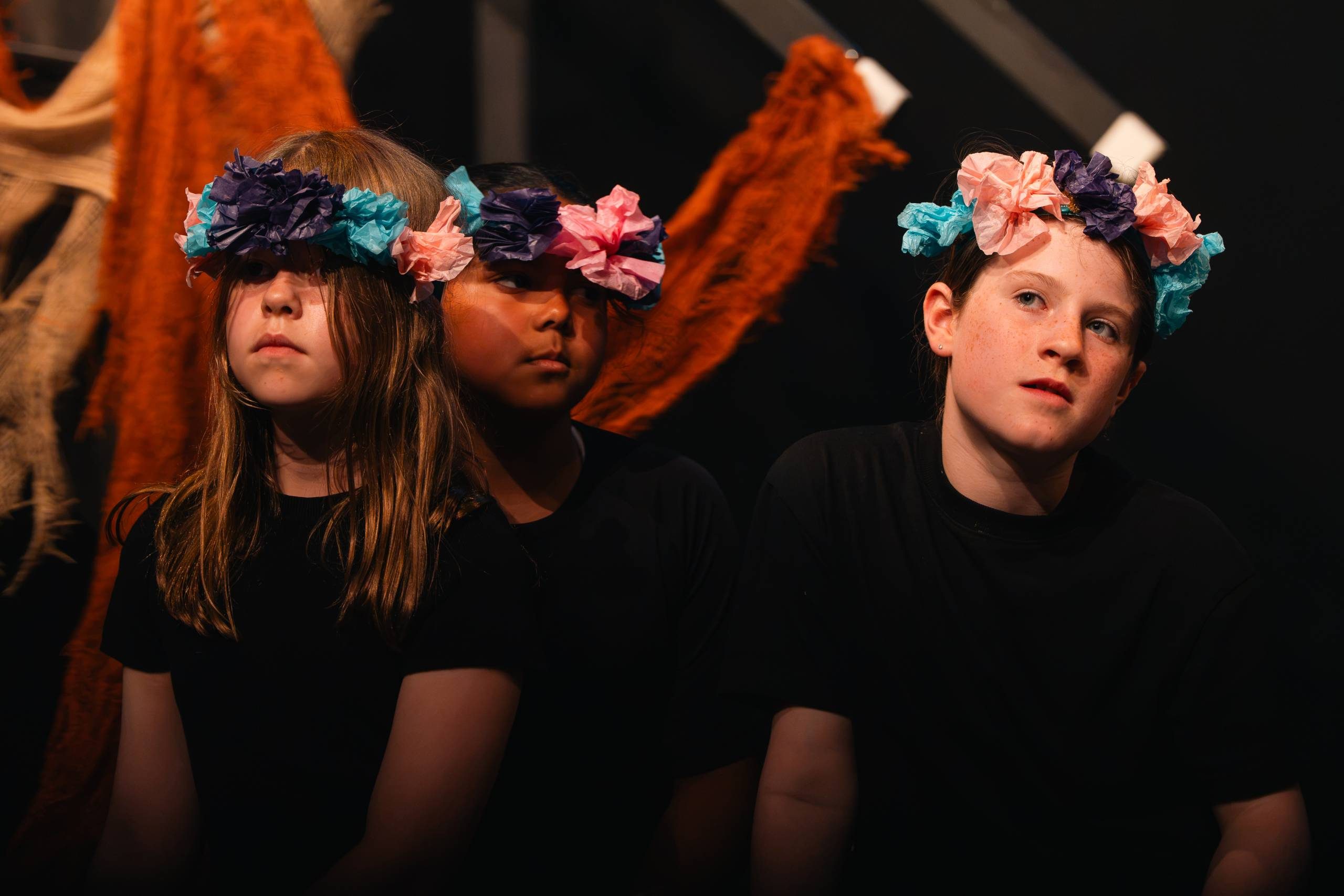
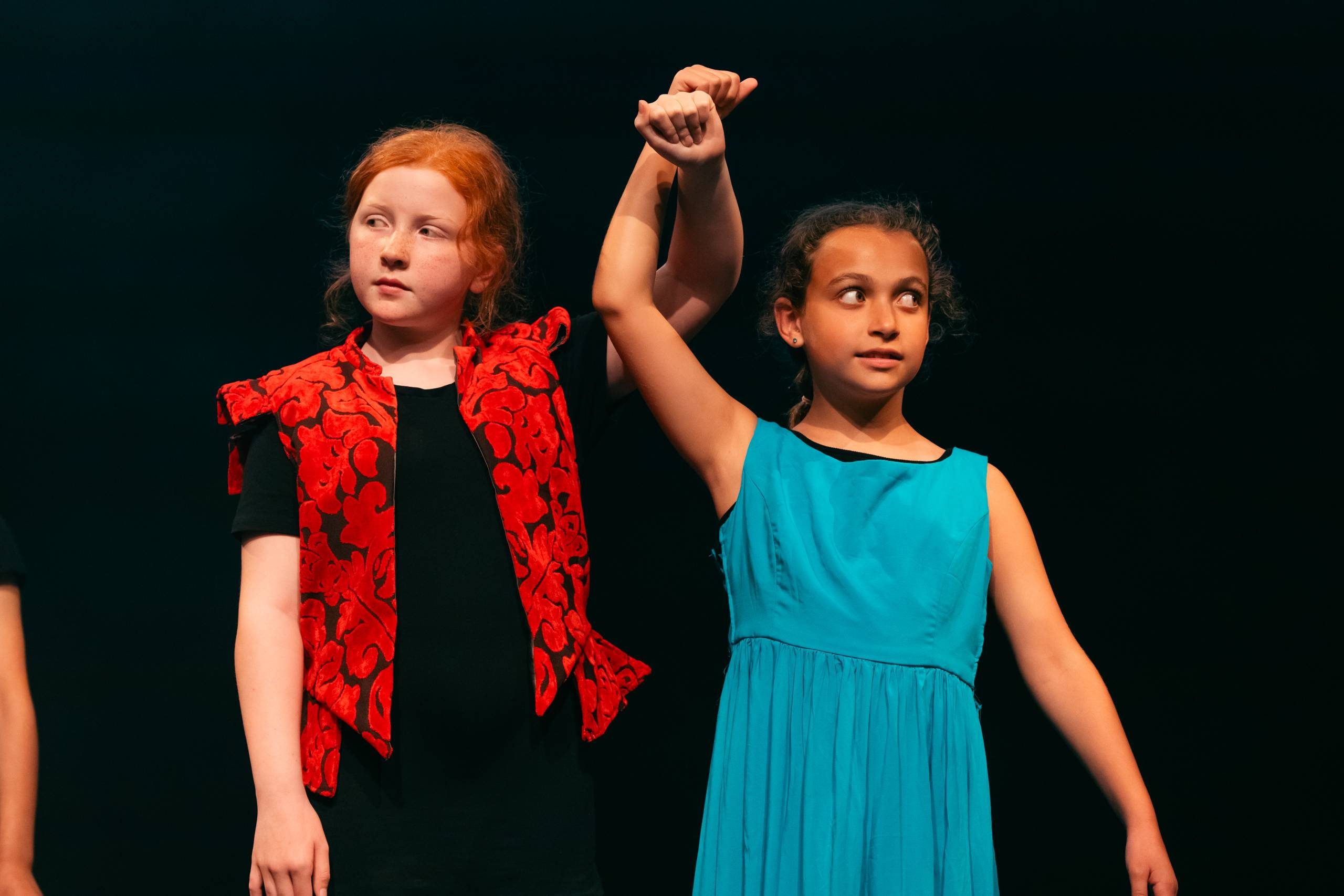
Costume became an important storytelling device in another way too. Costume Craft students from The King’s Foundation created specially designed costumes for the production, with three different sizes made for each character.
With one school performing one section and another taking over the story moments later, the same character could be played by a five-year-old in one scene and a 16-year-old in the next. Keeping recognisable elements of their costume helped the audience follow those characters as the actors changed, while allowing every school to bring something different to the role.
For many of the young people, the festival will be their first experience of performing in a professional theatre, and sometimes their first time inside one. Northern Stage has adapted the programme over the years in response to what participants have told us, including introducing an orientation visit after discovering that some young people found arriving in a large, dark theatre for the first time intimidating.
Our young performers now have an opportunity to visit while the lights are up, stand on Stage 1, see how big the auditorium is and take part in vocal exercises to understand how their voices need to fill the space. During festival week, every school then gets its own technical rehearsal before around 150 young people arrive together for Friday’s dress rehearsal, the first time anyone sees the different sections of the production running back-to-back.
“It’s a complete building takeover,” says Stephanie. “There are young people in every room and, whatever department you work in, you’re involved in some way.”
That extends beyond the stage. The festival often brings parents, carers and family members into Northern Stage, many of whom may never have visited before, so the team has to think carefully about their experience too. The programme explains the story, characters and costumes, but also reassures first-time visitors that there isn’t a particular way they need to dress or behave in a theatre. Tickets are Pay What You Decide, with proceeds supporting Northern Stage’s Pay It Forward scheme.
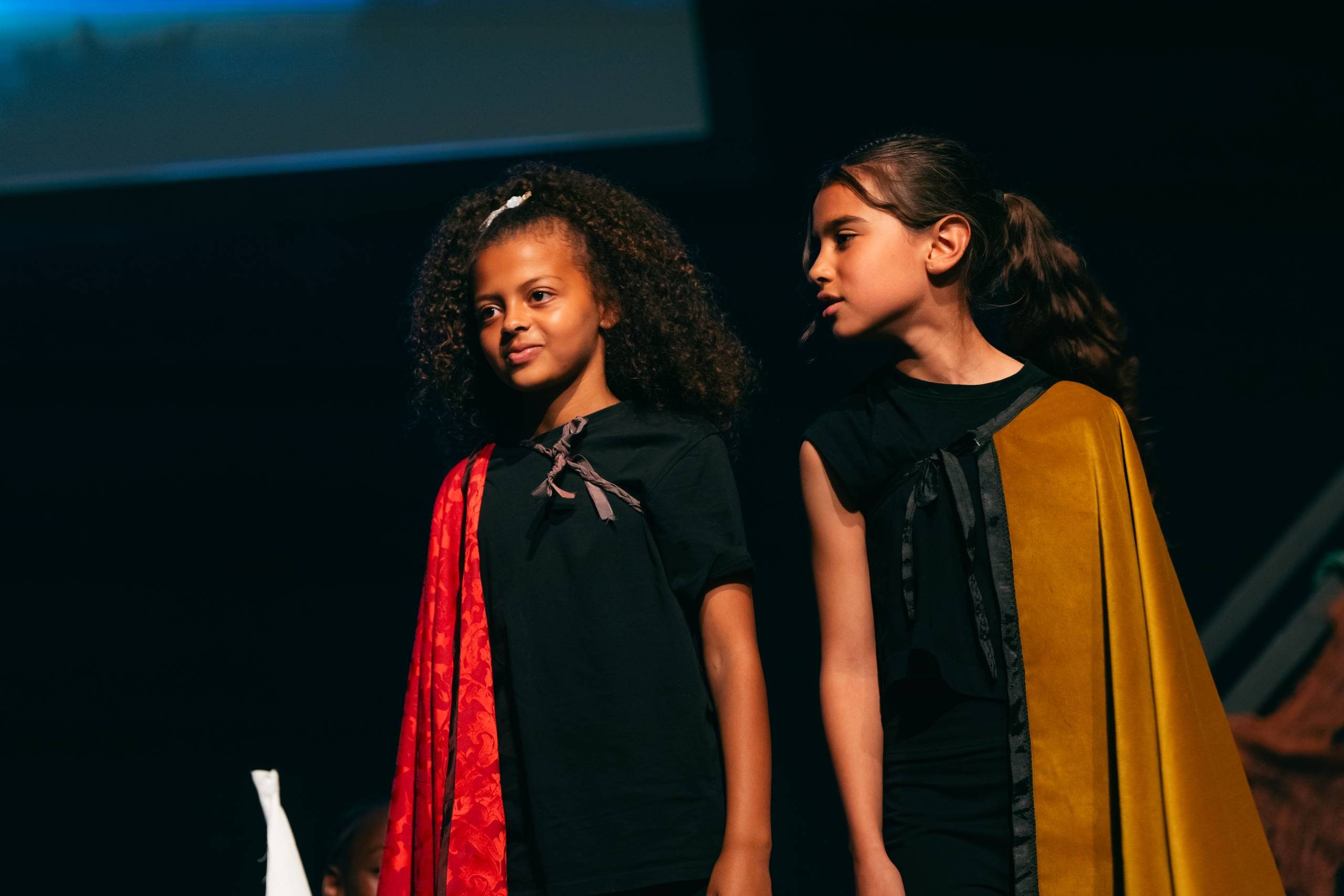
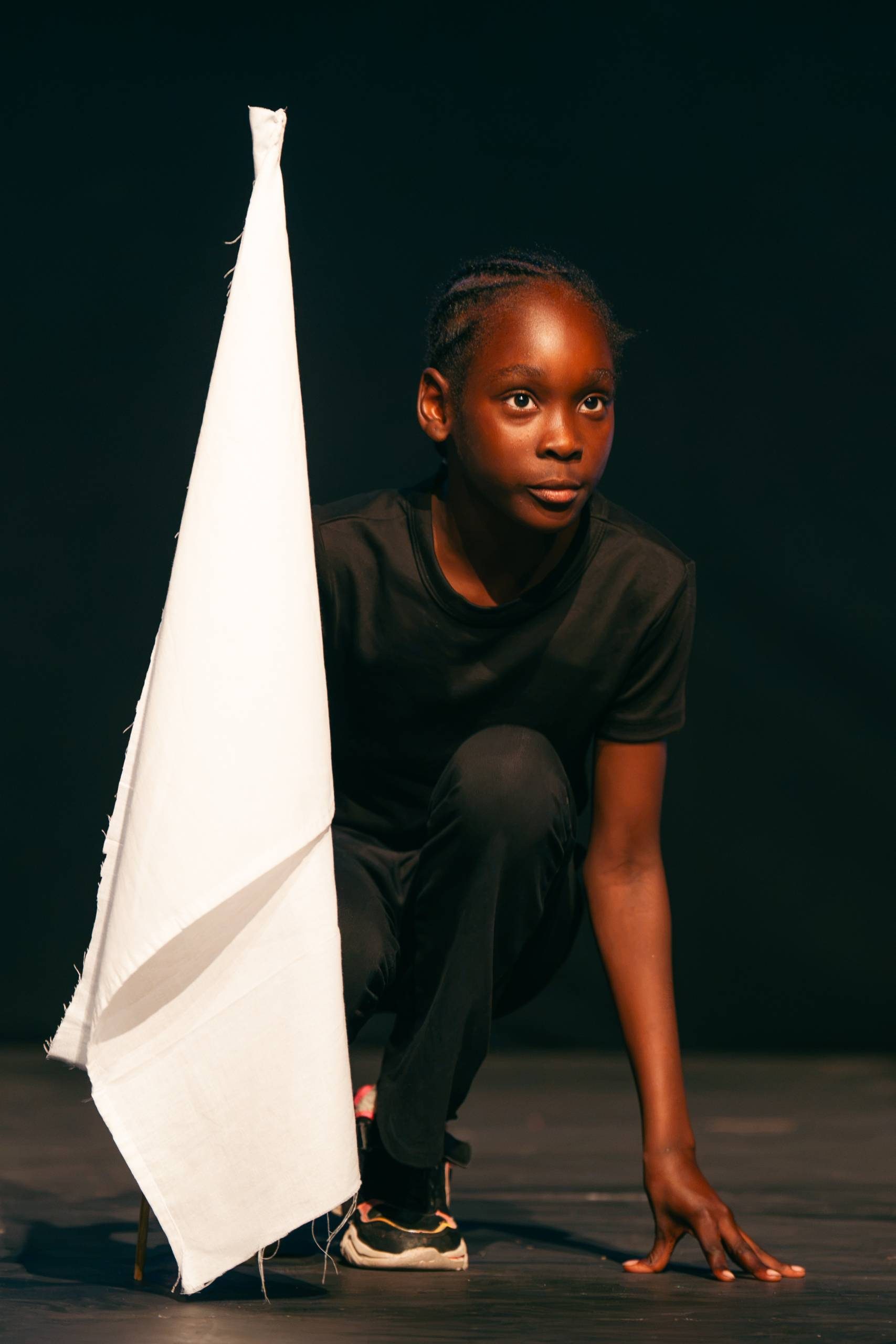
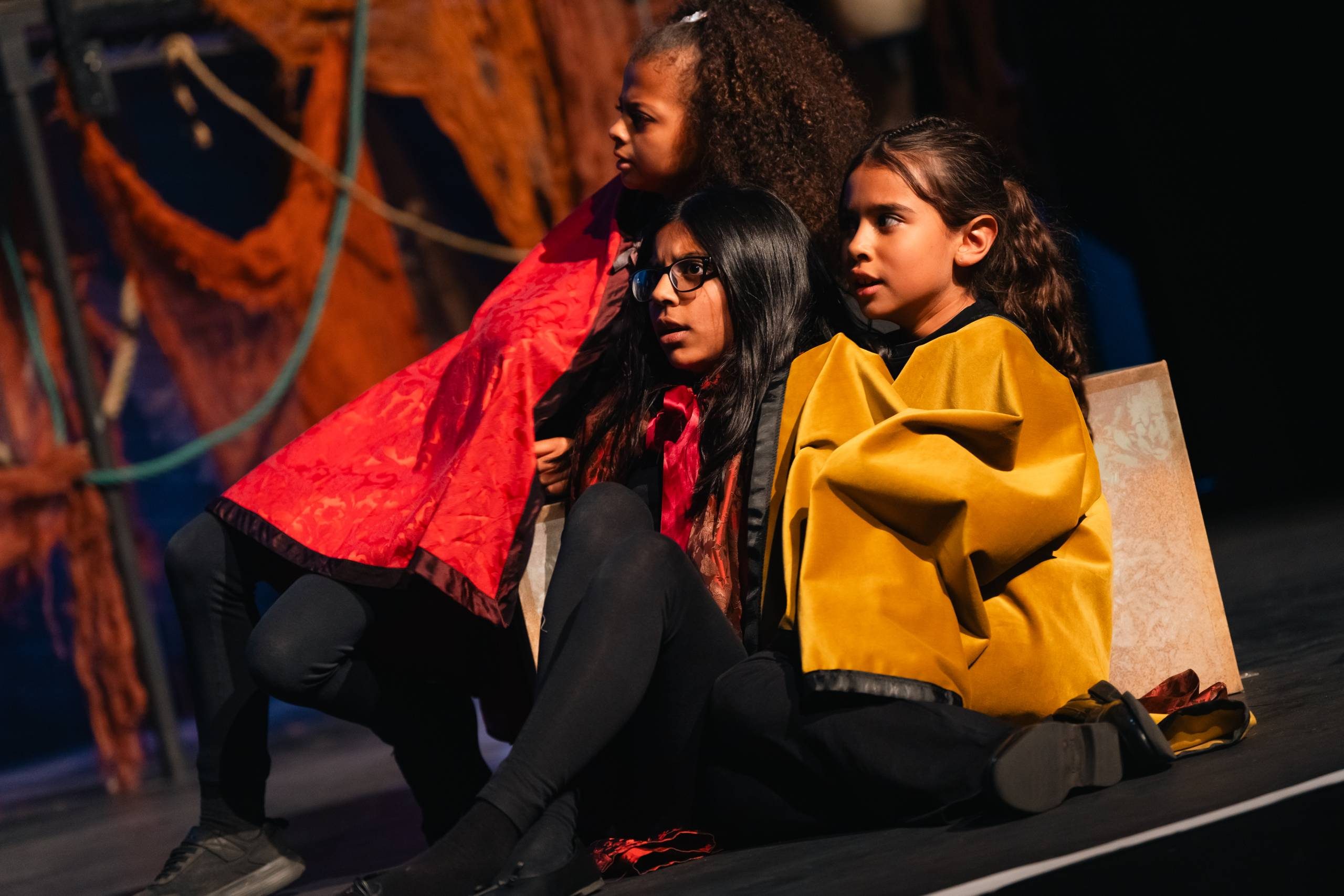
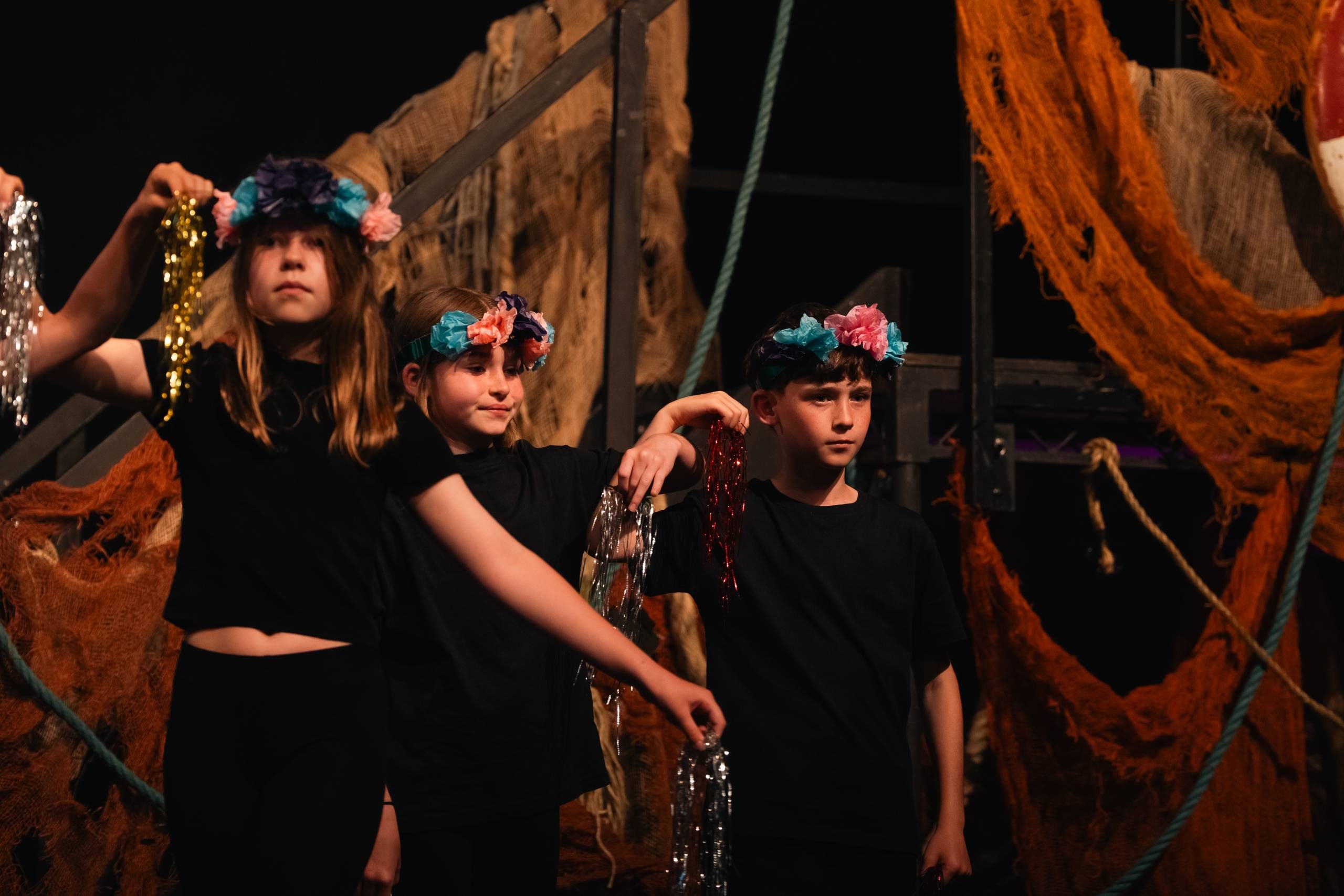
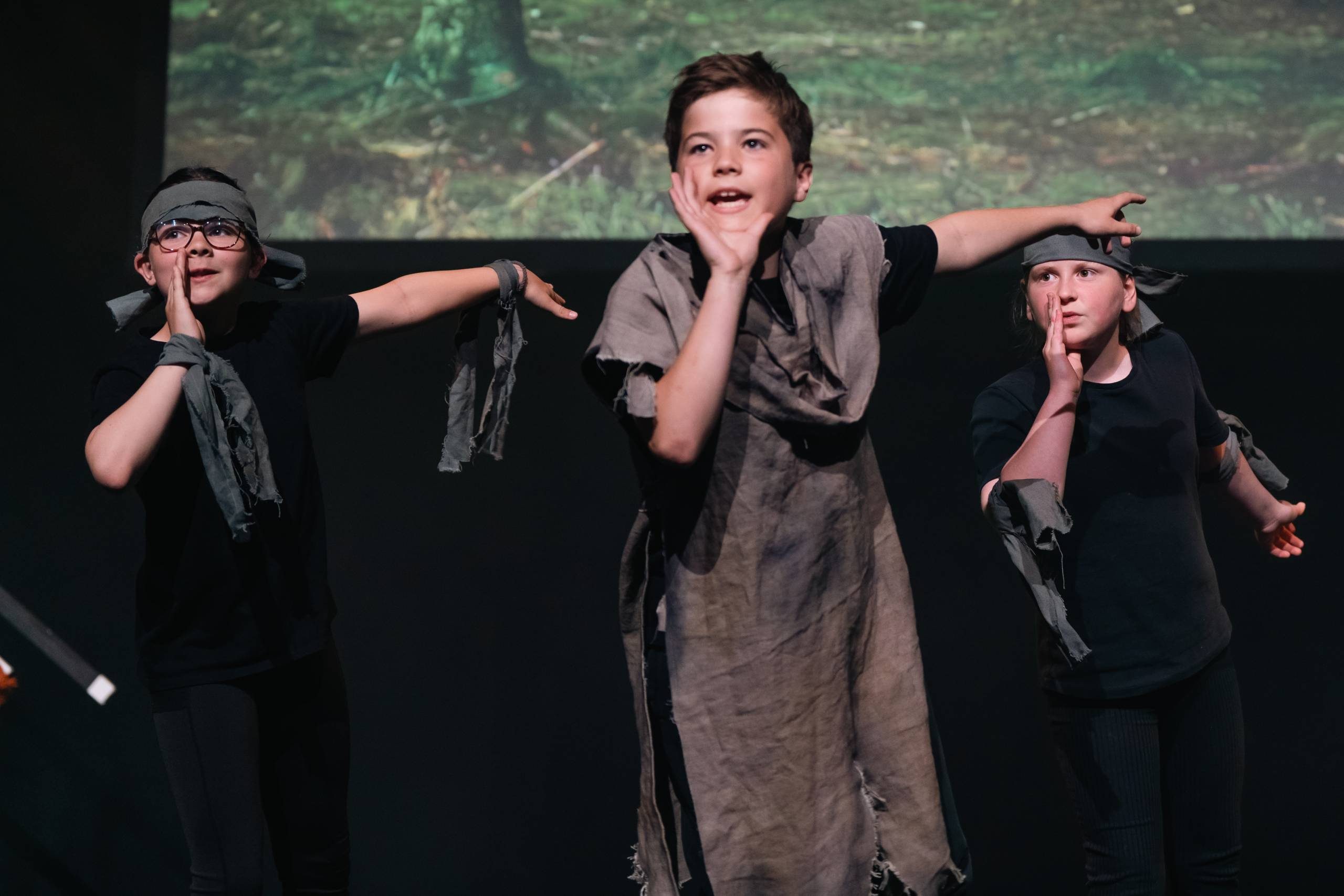
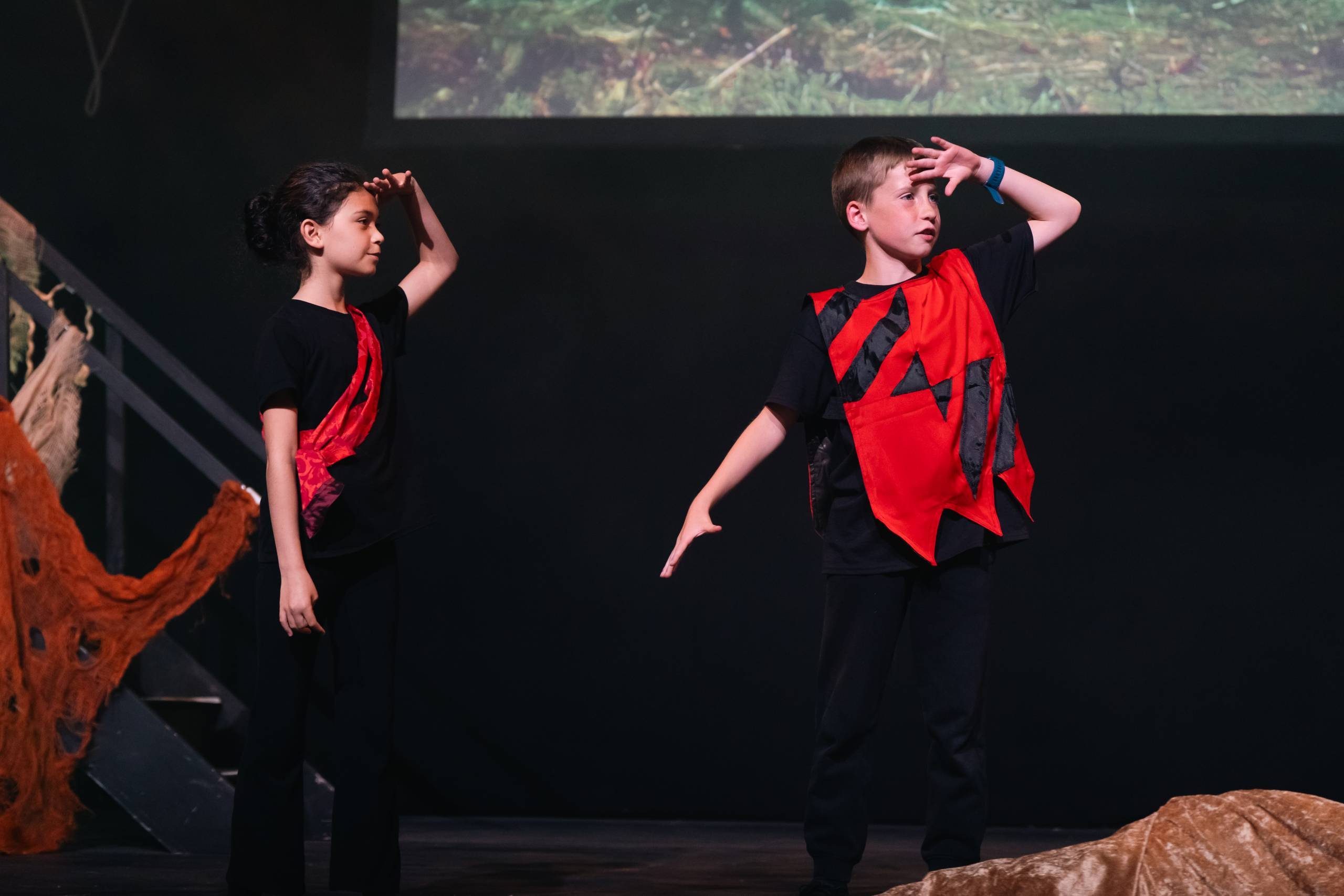
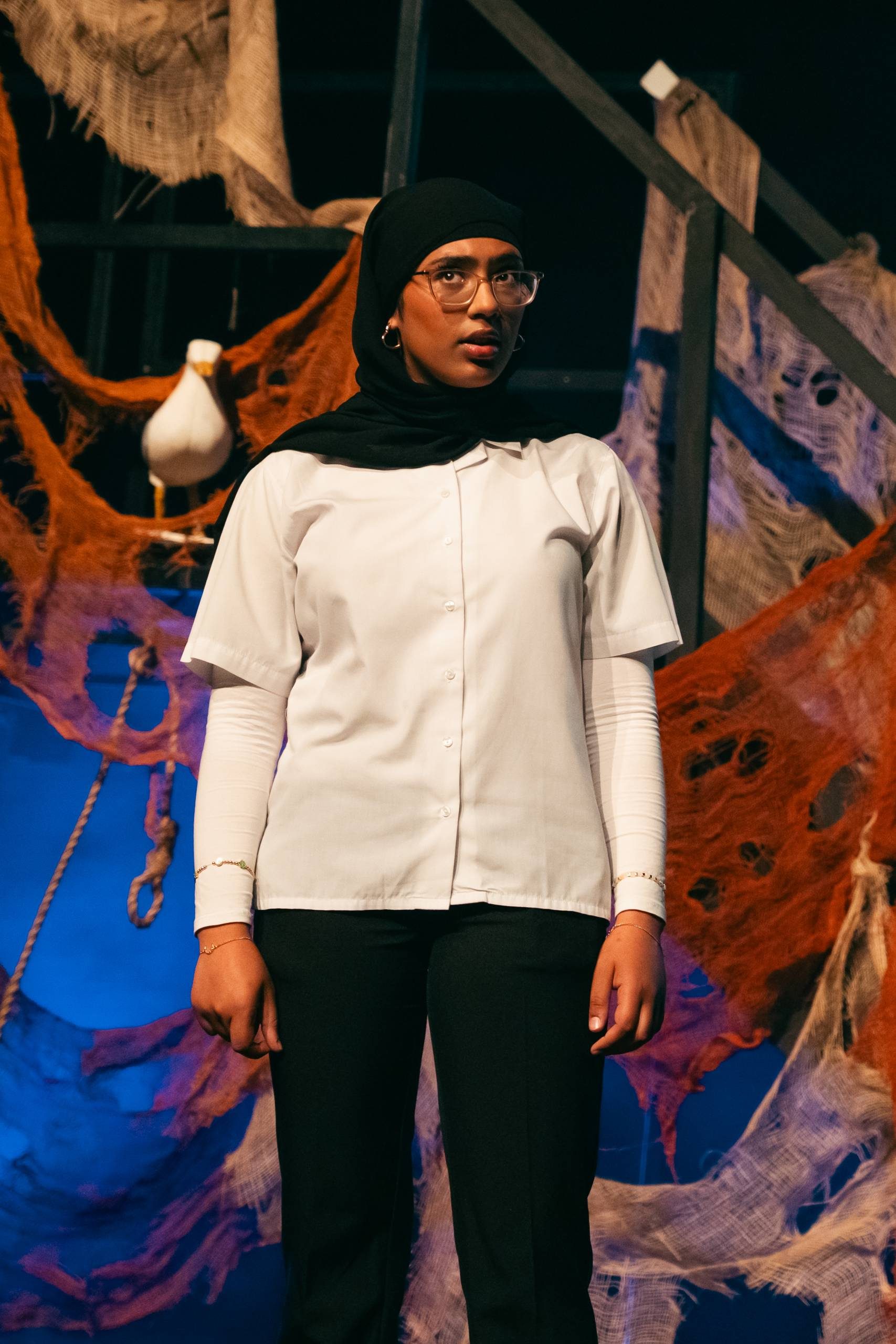
For some young people, that first experience is also becoming the beginning of something much longer. This year, the team saw several Playmaking participants sign up for Northern Stage’s summer school, choosing to return independently after first encountering the theatre through their school.
“For us, that’s really important,” says Zoe. “They’ve had a taste of it through Playmaking and then they’re actively seeking out other opportunities to develop their skills, meet new people and step outside their comfort zones.”
Perhaps that is where the impact of Playmaking is most visible. It isn’t about creating the next generation of Shakespearean actors, although we’d be very happy if it did. It’s about giving young people the confidence to explore stories that might initially seem difficult or distant, and to discover what theatre can offer them.
Kerrie Palma, a teacher at Sacred Heart School said, “For me, the real value of Playmaking lies in what children discover about themselves and what they realise they can achieve. The programme brings together pupils from primary and secondary schools, including those in specialist settings, to create a wonderful, inclusive celebration of creativity in which different voices, abilities and ways of communicating are valued.
There is also something very powerful about teachers from different schools and phases learning together; the benefits continue in our classrooms long after the festival has ended. The practical, collaborative approach offers students a different way to engage with Shakespeare’s language and stories. Pupils who may be less confident in the classroom are given opportunities to contribute and experience success. Performing at Northern Stage gives their work a real sense of purpose and fosters enormous pride.
Children discovering that their ideas matter, that they are capable of more than they realised, and that Shakespeare is for them, are at the heart of Playmaking and the RSC Associate Schools Programme.”
Even Shakespeare’s darkest themes can become something playful in the hands of young people – a soliloquy might become a rap, someone might use physical theatre to become a creaking door (a highlight of this year’s show), or a class might decide that what a scene really needs… is a dance routine.
It’s that freedom to experiment that sits at the heart of Playmaking, making Shakespeare accessible not by simplifying what it has to say, but by giving young people the space to find their own way into it.